How to Perform Dial Tone Recovery in Exchange Server

How to Perform Dial Tone Recovery in Exchange Server

Exchange, Exchange Server SE / 2019 / 2016, High Availability
Applies to: Exchange Server SE / 2019 / 2016 / 2013 / 2010 Dial tone recovery is an Exchange Server recovery method that gives users temporary mailboxes so they can continue sending and receiving email while the original mailbox database is being restored. The original version of this article was written for Exchange Server 2010 with Windows Server Backup. Microsoft still documents dial tone recovery for Exchange Server Subscription Edition, Exchange Server 2019, and Exchange Server 2016. The recovery concept is the same, although the current procedure is based on Exchange Management Shell, a dial tone database, a Recovery Database, and mailbox restore requests. In This Article 1. What Is Dial Tone Recovery? 2. Dial Tone Recovery Process 3. Same Server or Alternate Server 4. Recovery Database and Data Merge…
Read More
Step by Step Upgrade from VMware vCenter Server 5.1 to vCenter Server 5.1 Update 1

Step by Step Upgrade from VMware vCenter Server 5.1 to vCenter Server 5.1 Update 1

Archive / Legacy Topics, VMware, vSphere
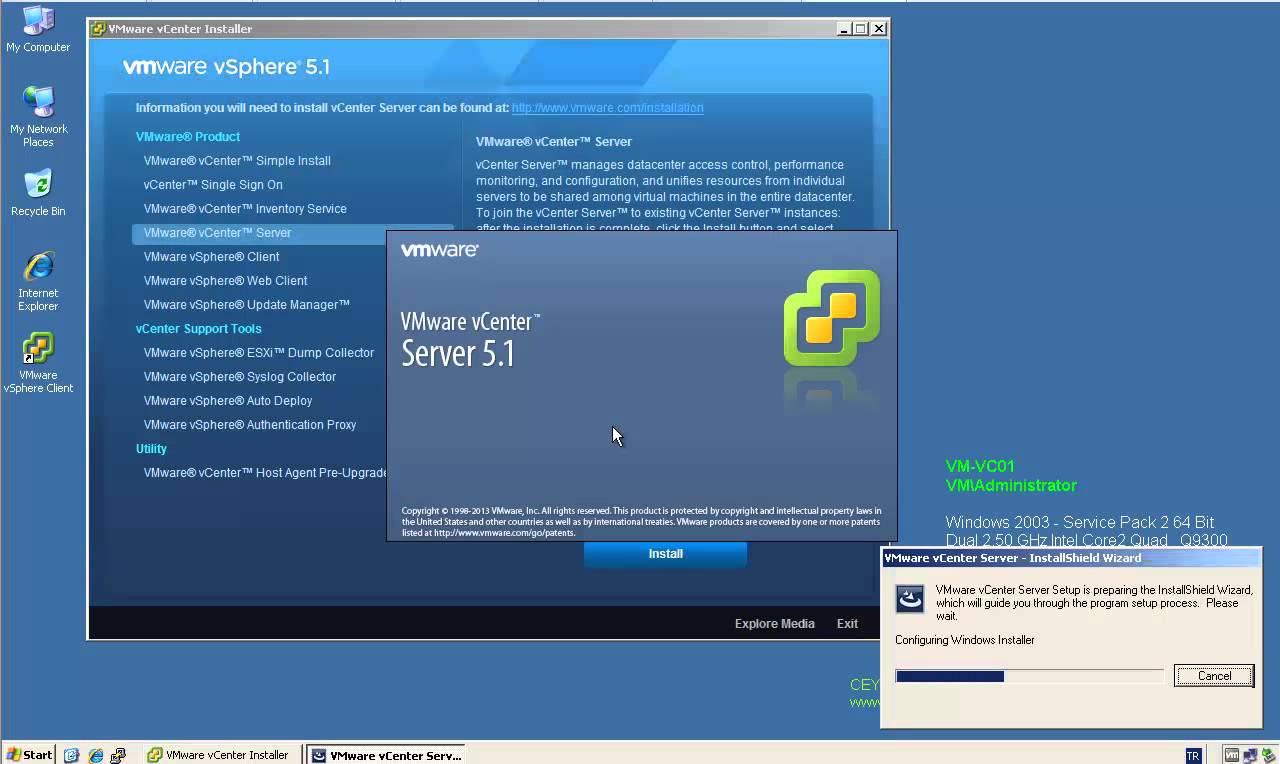
Applies to: VMware vCenter Server 5.1 → 5.1 Update 1 Historical: This article covers the Windows-based vCenter Server 5.1 architecture and its upgrade to vCenter Server 5.1 Update 1. This release is no longer supported and the component-by-component upgrade model described here does not apply to current vCenter Server releases. vCenter Server 5.1 separated several core services into individual components, including Single Sign-On (SSO), Inventory Service, vCenter Server, and the vSphere Web Client. Because of that architecture, upgrading to 5.1 Update 1 required the components to be updated in the correct order. In This Article 1. Before the Upgrade 2. Recommended Upgrade Sequence 3. Verify the Upgrade 4. Key Takeaways 1. Before the Upgrade Before upgrading a vSphere 5.1 environment, verify interoperability with any VMware products and plug-ins that depend…
Read More
How to Install Data Protection Manager 2010 on Windows Server 2008 R2 SP1

How to Install Data Protection Manager 2010 on Windows Server 2008 R2 SP1

Archive / Legacy Topics, System Center, Windows Server
Applies to: System Center Data Protection Manager 2010 | Windows Server 2008 R2 SP1 Historical: System Center Data Protection Manager (DPM) 2010 reached the end of extended support on October 14, 2020. This article is preserved as a reference for older environments. A DPM 2010 installation includes two main parts: installing the required prerequisite components and installing the DPM application itself. The DPM Setup Wizard performs most of this work as part of the integrated installation process. In This Article 1. Before You Start 2. Language Support 3. Install DPM 2010 4. After Installation 5. Key Takeaways 1. Before You Start Before starting the installation, confirm that the DPM server meets the hardware and software requirements for DPM 2010 and Windows Server 2008 R2 SP1. Verify the operating system and…
Read More
Restore an Exchange Server Mailbox to a Different Mailbox Using a Recovery Database

Restore an Exchange Server Mailbox to a Different Mailbox Using a Recovery Database

Exchange, Exchange Server SE / 2019 / 2016, High Availability
Applies to: Exchange Server SE / 2019 / 2016 / 2013 / 2010 Exchange Server supports Recovery Databases (RDBs) for restoring mailbox data from a recovered database without interrupting access to the active mailbox database. This applies to Exchange Server Subscription Edition, Exchange Server 2019, and Exchange Server 2016. One useful scenario is restoring the contents of an old mailbox into a different existing mailbox. The recovered database is mounted as an RDB, the source mailbox is identified by its mailbox GUID, and New-MailboxRestoreRequest copies the data into the target mailbox. In This Article 1. What Is a Recovery Database? 2. Prepare the Restored Database 3. Create the Recovery Database 4. Mount and Check the Recovery Database 5. Restore the Mailbox to a Different Mailbox 6. Monitor the Restore and…
Read More

How to Restore Mailbox Data from an Exchange Recovery Database

Exchange, Exchange Server SE / 2019 / 2016, High Availability
Applies to: Exchange Server SE / 2019 / 2016 / 2013 / 2010 Exchange Server uses a Recovery Database (RDB) to mount a restored mailbox database and recover mailbox data without disrupting the production database. After the restored database is mounted as an RDB, New-MailboxRestoreRequest can merge mailbox data into an existing mailbox. The original version of this article demonstrated the process on Exchange Server 2010 with Windows Server Backup. The same Recovery Database concept continues in current Exchange Server releases, although the backup and recovery workflow has evolved. In This Article 1. How Recovery Databases Work 2. Restore the Exchange Database 3. Prepare the Restored Database 4. Create and Mount the Recovery Database 5. Restore Mailbox Data 6. Key Takeaways 1. How Recovery Databases Work Exchange 2003 and Exchange…
Read More
Troubleshoot Exchange Replica Inconsistent Error 30146 in DPM

Troubleshoot Exchange Replica Inconsistent Error 30146 in DPM

Exchange, Exchange Server SE / 2019 / 2016, System Center
Applies to: System Center Data Protection Manager 2025 / 2022 / 2019 | Exchange Server 2019 / 2016 / 2013 Data Protection Manager (DPM) can report an Exchange mailbox database replica as inconsistent when a consistency check fails. One common cause is a version mismatch between eseutil.exe and ese.dll on the Exchange server and the DPM server, especially after an Exchange update. Error ID 30146 is a general data consistency verification failure, so it should not automatically be treated as an Eseutil mismatch. Check the accompanying error details and event logs before applying the fix. In This Article 1. Symptom 2. Why the Eseutil Version Matters 3. Compare the File Versions 4. Update the Files on the DPM Server 5. Run the Consistency Check Again 6. Other Causes of Error…
Read More
Moved Mailboxes Appear as Soft-Deleted After a Database Move in Exchange Server

Moved Mailboxes Appear as Soft-Deleted After a Database Move in Exchange Server

Exchange, Exchange Server SE / 2019 / 2016, Migration & Upgrade
Applies to: Exchange Server SE / 2019 / 2016 After moving a mailbox to another mailbox database, you may still see the old mailbox on the source database with a SoftDeleted disconnect reason. This is expected behavior in Exchange Server, including Exchange Server Subscription Edition, Exchange Server 2019, and Exchange Server 2016. The mailbox on the source database is not another active copy of the user mailbox. Exchange keeps the source mailbox temporarily so that its data can still be used for recovery if something goes wrong after the move. In This Article 1. Why This Happens 2. Check Soft-Deleted Mailboxes 3. Check Mailbox Retention 4. Should You Delete It? 5. Permanently Purge a Soft-Deleted Mailbox 6. Key Takeaways 1. Why This Happens When a mailbox move between Exchange mailbox…
Read More

How to Force DFSR SYSVOL Replication in Windows Server

Active Directory, Identity, Windows Server
Applies to: Windows Server 2025 / 2022 / 2019 / 2016 / 2012 R2 / 2012 / 2008 R2 / 2008 Sometimes SYSVOL changes need to replicate immediately between domain controllers instead of waiting for the normal DFS Replication schedule. The original version of this post used dfsrdiag SyncNow to trigger replication for the Domain System Volume replication group. The original method is worth preserving as an operational troubleshooting step, but it is important to separate a normal replication delay from a broken SYSVOL replication state. If SYSVOL or NETLOGON is missing, or DFSR is stopped by an error such as Event ID 2213 or 4012, forcing a connection is not the same as repairing SYSVOL. In This Article 1. Check SYSVOL Before Forcing Replication 2. Trigger DFSR SYSVOL Replication…
Read More
How to Reset Password in Ubuntu

How to Reset Password in Ubuntu

Linux
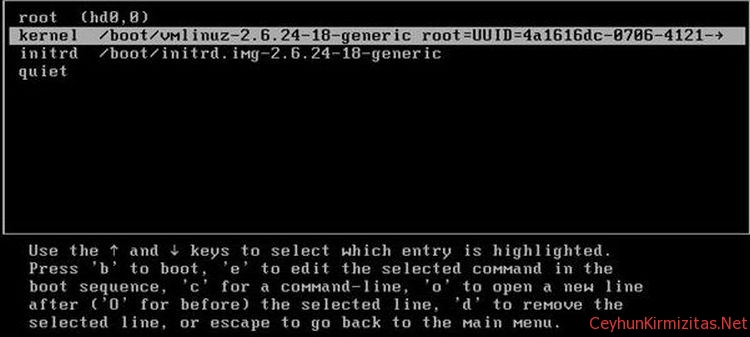
Applies to: Ubuntu 26.04 LTS / 24.04 LTS / 22.04 LTS / 20.04 LTS / 18.04 LTS / 16.04 LTS If you forget the password for a local Ubuntu account, you can reset it from recovery mode as long as you have access to the machine and the disk can be unlocked. The original version of this article used an old GRUB method that edited the kernel line and added rw init=/bin/bash. That approach can still work in some cases, but Ubuntu now provides a cleaner recovery-mode path that is easier to follow and less error-prone. In This Article 1. Before You Start 2. Boot Ubuntu into Recovery Mode 3. Remount the Root Filesystem 4. Reset the User Password 5. Reboot and Test 6. Full Disk Encryption 7. Key Takeaways…
Read More